
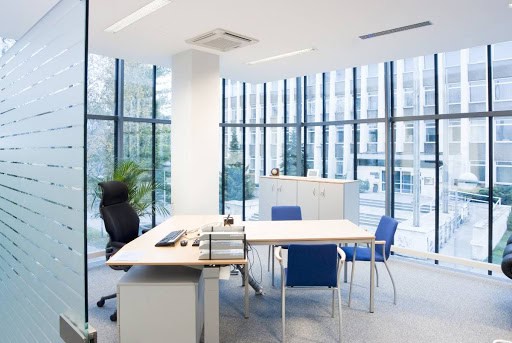
Keeping an office clean is about far more than appearances. A well-maintained workspace directly impacts employee wellbeing, productivity, and even how clients perceive your business. At Berkshire Direct Cleaning Services, we often speak to businesses that assume regular surface cleaning is enough, only to discover that deeper, less frequent cleaning tasks are being overlooked. The question we hear most often is simple: how often should an office actually be deep cleaned?
For businesses seeking reliable commercial cleaning in Swindon, understanding the difference between daily cleaning and periodic deep cleaning is essential. While routine cleaning keeps things ticking over, deep cleaning tackles the hidden dirt, bacteria, and grime that build up over time in less obvious areas.
What Is Considered a Deep Office Clean?
A deep office clean goes beyond wiping desks and emptying bins. It involves thorough cleaning of areas that are not addressed in everyday maintenance routines. This includes carpets, upholstery, high-touch surfaces, ventilation points, and communal areas like kitchens and washrooms.
Deep cleaning focuses on sanitation as well as appearance. It removes built-up dust, allergens, and bacteria that can accumulate in carpets, behind furniture, and within hard-to-reach corners. It also addresses areas such as skirting boards, light fittings, and internal glass, which are often neglected during routine cleaning.
From our experience at Berkshire Direct Cleaning Services, many offices appear clean on the surface but harbour hidden dirt that only a deep clean can effectively remove.
Why Deep Cleaning Matters for Your Business
A consistently clean office environment supports employee health and helps reduce absenteeism. Dust, mould, and bacteria can quickly accumulate in busy workplaces, especially in shared spaces. Without regular deep cleaning, these contaminants can contribute to poor air quality and increased illness among staff.
There is also a strong reputational aspect to consider. Clients and visitors notice cleanliness, even subconsciously. A spotless, fresh-smelling office creates a positive impression and reflects professionalism and attention to detail.
In addition, regular deep cleaning can extend the lifespan of office furnishings. Carpets, chairs, and fixtures last longer when properly maintained, saving businesses money in the long term.


How Often Should an Office Be Deep Cleaned?
The frequency of deep cleaning depends on several factors, including the size of the office, the number of employees, and the nature of the work carried out. However, there are general guidelines that most businesses can follow.
For a typical office environment with moderate foot traffic, a deep clean is usually recommended every three to six months. This ensures that dirt and bacteria do not build up to problematic levels.
In higher-traffic environments, such as call centres, co-working spaces, or offices with frequent visitors, deep cleaning may be needed more frequently. In some cases, a monthly or bi-monthly deep clean is more appropriate to maintain hygiene standards.
Offices with specialised requirements, such as healthcare or food-related businesses, often require even more frequent deep cleaning due to stricter hygiene regulations.
Key Areas That Require Regular Deep Cleaning
Certain areas within an office demand more attention than others. Carpets and flooring are among the biggest culprits for trapping dirt and allergens. Even with regular vacuuming, particles become embedded deep within fibres and require professional cleaning to fully remove.
Workstations and shared equipment are also critical. Keyboards, phones, and desks are high-touch surfaces that can harbour bacteria. While they may be wiped down regularly, deep cleaning ensures thorough sanitisation.
Kitchens and break rooms are another priority. These areas are used by multiple people throughout the day, making them a hotspot for germs. Appliances such as microwaves, fridges, and kettles benefit from periodic deep cleaning to prevent unpleasant odours and hygiene issues.
Washrooms should never be overlooked. Although they are cleaned frequently, deep cleaning ensures that hidden areas, grout, and fixtures are properly sanitised.
Signs Your Office Needs a Deep Clean
Many businesses wait until problems become obvious before scheduling a deep clean, but there are subtle signs that indicate it is time to take action.
If you notice persistent odours that do not disappear after routine cleaning, this is often a sign of deeper issues within carpets or upholstery. Increased dust levels, even shortly after cleaning, can also indicate a build-up in less accessible areas.
Another indicator is a rise in employee illness. While this can have many causes, poor hygiene and air quality in the workplace can contribute significantly.
Visual cues also matter. Stained carpets, dull surfaces, and grime in corners or around fixtures suggest that standard cleaning is no longer sufficient.
Seasonal Considerations for Deep Cleaning
In the UK, seasonal changes can influence how often an office should be deep cleaned. During the winter months, offices tend to accumulate more dirt due to wet weather and increased indoor activity. Mud, moisture, and debris are frequently brought in from outside, making more frequent deep cleaning beneficial.
Spring is an ideal time for a comprehensive deep clean. Many businesses use this period to refresh their workspace, improve air quality, and reset hygiene standards.
Summer can bring its own challenges, including increased dust and higher temperatures that can exacerbate odours. Meanwhile, autumn often marks a return to busier office environments, particularly after holiday periods, making it another good time for a thorough clean.
The Difference Between DIY and Professional Deep Cleaning
While some businesses attempt to handle deep cleaning in-house, there are clear advantages to working with professionals. Deep cleaning requires specialised equipment, products, and expertise to achieve the best results.
Professional cleaning teams have access to industrial-grade machinery that can extract dirt from carpets and upholstery far more effectively than standard equipment. They also understand which cleaning solutions are appropriate for different surfaces, reducing the risk of damage.
At Berkshire Direct Cleaning Services, we tailor our deep cleaning approach to each client’s needs. This ensures that every part of the office is addressed properly, without disrupting daily operations.
Creating a Cleaning Schedule That Works
A structured cleaning schedule is the most effective way to maintain a consistently clean office. This should combine daily cleaning tasks with periodic deep cleaning to ensure all areas are properly maintained.
Rather than viewing deep cleaning as a one-off task, it should be integrated into your overall maintenance plan. This approach helps prevent issues from developing and keeps your workspace in optimal condition year-round.
Each office is different, so the schedule should reflect your specific requirements. Factors such as staff numbers, office layout, and industry standards all play a role in determining the right frequency.
Final Thoughts
Deep cleaning is an essential part of maintaining a healthy, professional office environment. While regular cleaning keeps surfaces tidy, it is the deeper, more thorough cleans that truly protect your workspace from hidden dirt and bacteria.
For most offices, scheduling a deep clean every three to six months provides a solid foundation. However, businesses with higher foot traffic or specific hygiene needs may benefit from more frequent cleaning.
At Berkshire Direct Cleaning Services, we believe that a clean office is a productive office. By investing in regular deep cleaning, businesses can create a safer, more welcoming environment for employees and visitors alike, while also protecting their long-term assets.
If you are unsure whether your office is due for a deep clean, it is always better to act sooner rather than later. A proactive approach ensures that your workplace remains a space where people can thrive.